Introduction
Temperature is one of the most critical factors affecting magnet performance and long-term reliability. In high-power motors, automation systems, aerospace equipment, and energy applications, magnets are often exposed to continuous heat, rapid thermal cycles, or localized hot spots. Without proper magnet thermal management, even high-quality magnets can suffer from irreversible performance loss.
This article explains how temperature influences magnetic behavior and outlines practical design strategies to maintain stability when working with high temperature magnets.
1. How Heat Affects Permanent Magnets
All permanent magnets experience a reduction in magnetic output as temperature rises. Key effects include:
- Temporary loss of magnetic strength, which may recover when temperature drops
- Permanent demagnetization if the magnet exceeds its maximum operating temperature
- Reduced coercivity, increasing vulnerability to external demagnetizing fields
Different magnet materials respond differently to heat, making material selection a foundational design decision.
2. Selecting the Right Magnet Material
High-Temperature NdFeB Magnets
Advanced NdFeB grades are engineered to maintain performance at elevated temperatures, typically up to 150–200°C.
- High magnetic strength in compact designs
- Suitable for EV motors, industrial automation, and power tools
- Require careful thermal and corrosion protection
Samarium Cobalt (SmCo) Magnets
SmCo magnets offer superior thermal stability and can operate continuously at temperatures above 250°C.
- Excellent resistance to demagnetization
- Stable performance in harsh environments
- Commonly used in aerospace, defense, and high-speed industrial motors
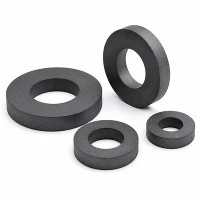
Ferrite Magnets
While ferrite magnets provide lower magnetic strength, they offer good thermal resistance and cost efficiency in moderate-temperature applications.
3. Design Strategies for Thermal Stability
Optimize Magnet Geometry
Increasing magnet volume or adjusting aspect ratios can help maintain magnetic flux at higher temperatures. In some cases, redesigning the magnetic circuit reduces thermal stress on individual components.
Improve Heat Dissipation
Thermal management is not only about magnet selection. Effective strategies include:
- Integrating heat sinks or conductive mounting structures
- Enhancing airflow or liquid cooling near the magnetic assembly
- Isolating magnets from direct heat sources
Control Magnetization and Working Point
Operating magnets within a safe region of their demagnetization curve reduces the risk of irreversible loss. This is especially important in high-load motors and generators.
Choose Appropriate Coatings
Coatings such as epoxy or specialized high-temperature plating protect magnets from oxidation and thermal fatigue, extending service life under continuous heat exposure.

4. Applications Where Thermal Management Is Critical
- Electric vehicle motors exposed to high current density
- Industrial automation equipment with continuous operation cycles
- Aerospace actuators and sensors under extreme environmental conditions
- Energy generation systems such as turbines and compressors
In these applications, thermal stability directly impacts efficiency, safety, and maintenance costs.
5. Working with an Experienced Magnet Supplier
An experienced supplier can support thermal design by:
- Recommending appropriate magnet grades and coatings
- Assisting with magnetic circuit optimization
- Providing testing data under simulated thermal conditions
- Ensuring batch consistency for long-term production
Collaboration at the design stage significantly reduces the risk of performance issues after deployment.
Effective magnet temperature management combines material selection, mechanical design, and thermal control strategies. By understanding how heat affects magnetic behavior and applying proper engineering solutions, manufacturers can ensure stable performance even in demanding environments.
For applications where heat is unavoidable, selecting the right high temperature magnets and working with a knowledgeable partner is essential for long-term reliability and efficiency.