Introduction
In today's industrial world, magnets are used in almost every sector-from electric motors and medical equipment to sensors, robotics, and consumer electronics. However, not all applications can rely on standard magnet sizes or grades. That's where custom magnet manufacturing becomes essential.
Partnering with a professional custom magnet manufacturer allows global buyers to obtain magnets that meet exact design, performance, and quality requirements. This article explains what to consider when sourcing magnet customization services and how to ensure a successful production process.
Why Choose Custom Magnet Manufacturing?

While standard magnets are widely available, they may not always fit complex or specialized applications. Custom magnet manufacturing provides several key benefits:
- Precision Fit: Custom sizes and shapes ensure magnets integrate seamlessly into assemblies or devices.
- Optimized Magnetic Performance: Tailored magnetic grades and directions meet specific force, temperature, or stability requirements.
- Material Flexibility: Choose from neodymium (NdFeB), samarium cobalt (SmCo), ferrite, or alnico depending on performance needs.
- Design Freedom: From magnetic rotors to compact sensors, customization allows for innovative engineering solutions.
For companies developing new technologies or upgrading production lines, these benefits can significantly improve product performance and efficiency.
Key Considerations When Ordering Custom Magnets
1. Define Application Requirements
Start by identifying the application and environment where the magnet will be used. Consider:
- Operating temperature range
- Exposure to humidity or chemicals
- Required magnetic force and tolerance
- Shape, dimensions, and coating needs
Providing this information helps the custom magnet manufacturer design the right solution and avoid costly revisions later.
2. Choose the Right Magnetic Material
Each type of magnet material offers distinct properties:
- Neodymium Magnets (NdFeB): Extremely strong, ideal for compact, high-performance designs.
- Samarium Cobalt (SmCo): Excellent high-temperature resistance, suitable for aerospace or automotive.
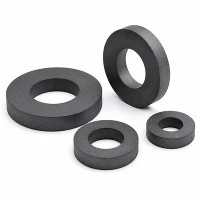
- Ferrite Magnets: Affordable, corrosion-resistant, ideal for motors and loudspeakers.
- Alnico Magnets: Stable performance, especially for sensors and instruments.
Your supplier should guide you through material selection based on both technical and cost requirements.
3. Surface Treatment and Coating
Magnets are often coated to protect against corrosion and mechanical wear. Common coatings include nickel, zinc, epoxy, or gold. The right coating extends magnet lifespan and ensures reliable performance under harsh conditions.
4. Magnetization Direction
The direction of magnetization (axial, diametral, or multipole) determines how the magnetic field behaves in your device. A professional magnet customization service can produce magnets with complex or multi-pole magnetization for advanced engineering designs.
The Manufacturing Process Explained
A typical custom magnet manufacturing process includes:
- Design and Prototyping: The manufacturer reviews drawings or 3D models to ensure feasibility.
- Material Preparation: Raw materials are processed according to the selected magnetic alloy.
- Pressing and Sintering: The magnet is formed under pressure and high temperature to achieve desired density and strength.
- Machining and Coating: Magnets are cut, ground, and coated to meet final specifications.
- Magnetization and Testing: The product is magnetized and tested for flux density, dimensional accuracy, and durability.
Each stage is carefully controlled to maintain consistent quality and performance.
Quality and Certification
When working with an overseas custom magnet manufacturer, quality control should be a top priority. Look for suppliers who:
- Are certified with ISO 9001 or IATF 16949 standards
- Offer complete testing reports (flux, tolerance, coating thickness)
- Provide sample approval before mass production
- Conduct 100% inspection for critical dimensions or strength
Reliable manufacturers also support third-party inspections to ensure compliance with your technical and safety requirements.
Benefits of Working with a Professional Custom Magnet Manufacturer
A qualified manufacturer can offer more than production-they act as a technical partner. Benefits include:
- Engineering Support: Assistance with magnetic simulation and design optimization.
- Flexible Production: Small-batch prototypes to full-scale manufacturing.
- Supply Chain Stability: Consistent material sourcing and long-term cooperation.
- Cost Control: Competitive pricing with efficient production methods.
These advantages help buyers reduce lead times, lower costs, and ensure consistent magnet quality across multiple projects.
For companies seeking magnets tailored to their specific products or industrial systems, custom magnet manufacturing provides a smart, long-term solution.
By clearly defining technical requirements and working with a reputable custom magnet manufacturer, buyers can achieve superior magnetic performance, reliability, and cost efficiency. Whether it's a prototype or a mass-production run, magnet customization enables innovation and precision in every magnetic application.