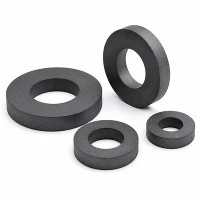
Introduction
The global magnet industry is evolving rapidly, driven by technological innovation, growing demand in electric vehicles, renewable energy, automation, and electronics. Understanding magnet material trends helps manufacturers, engineers, and buyers anticipate shifts in availability, cost, and performance.
In 2026, the rare earth magnet market and other advanced magnetic materials are expected to follow several key trends that will shape industrial applications worldwide.
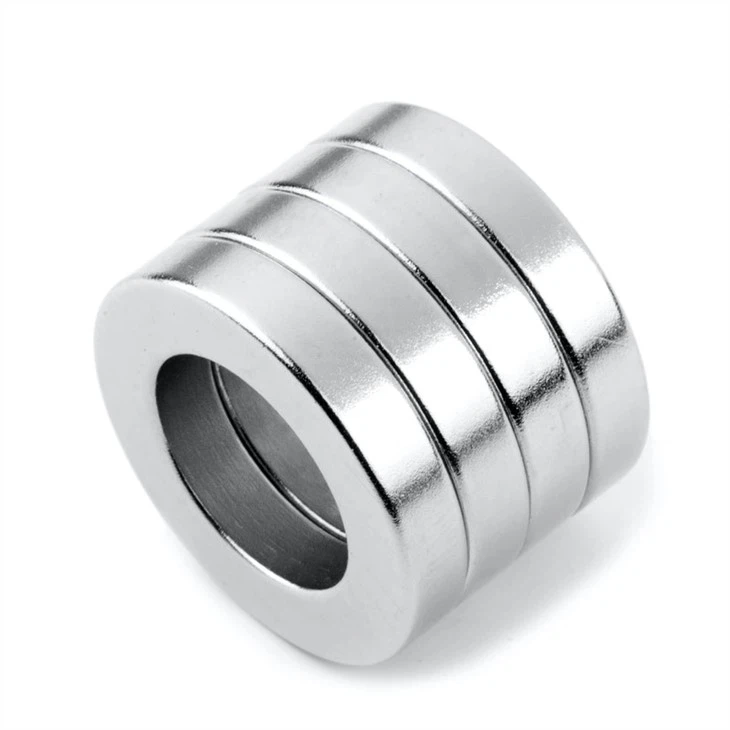
1. Growing Demand for High-Performance NdFeB Magnets
Neodymium Iron Boron (NdFeB) remains the most widely used rare earth magnet, thanks to its superior strength-to-weight ratio.
Trends for 2026:
- Increasing adoption in electric vehicles (EVs) and hybrid powertrains
- Miniaturization of motors and actuators requires stronger magnets in smaller sizes
- Development of high-temperature grades for industrial applications
Manufacturers are investing in optimized NdFeB formulations to improve coercivity and thermal stability while controlling costs.


2. SmCo Magnets for Extreme Environments
Samarium Cobalt (SmCo) magnets are valued for high-temperature stability and corrosion resistance.
2026 outlook:
- Expansion in aerospace, defense, and high-speed industrial machinery
- Use in offshore and harsh chemical environments where NdFeB is less effective
- Innovation in powder metallurgy and coatings to improve performance and reduce brittleness
SmCo continues to be a niche but critical component of the rare earth magnet market, particularly for applications requiring long-term reliability under extreme conditions.


3. Focus on Sustainable and Recycled Rare Earth Magnets
With growing environmental concerns and volatile rare earth prices, recycling and sustainability are becoming priorities.
- Recycling NdFeB magnets from motors, electronics, and industrial equipment
- Research into rare-earth substitution and reduced neodymium content
- Development of eco-friendly magnets with minimal environmental impact
In 2026, buyers and manufacturers will increasingly prioritize magnets that balance performance with sustainability.
4. Customized Magnetic Materials for Industry-Specific Applications
Industrial applications are becoming more specialized, requiring magnets tailored to unique performance needs.
- Multi-pole magnets for high-precision encoders
- Magnets with specific magnetization patterns for robotics and automation
- Coated or laminated magnets for corrosive, high-temperature, or high-vibration environments
Customization allows manufacturers to optimize magnetic efficiency, weight, and size, driving innovation across smart factories, EVs, and renewable energy.
5. Advances in Coatings and Surface Treatments
Magnet coatings are gaining importance as they directly affect longevity and performance.
- Epoxy, Ni-Cu-Ni, Parylene, and specialized corrosion-resistant coatings
- High-temperature and wear-resistant surface treatments for industrial motors
- Integration of coatings into automated production lines for consistent quality
As magnets are increasingly used in harsh or high-speed industrial environments, reliable surface protection remains a top trend.
The magnet material landscape in 2026 will be shaped by high-performance NdFeB demand, SmCo applications, sustainability initiatives, material customization, and advanced coatings.
Buyers and manufacturers who stay informed about these magnet material trends can secure a competitive advantage by sourcing the right materials, adopting sustainable practices, and leveraging innovations in industrial applications.
The rare earth magnet market will continue to evolve, balancing technological requirements with environmental and economic considerations, making strategic planning and supplier collaboration essential for long-term success.