
Designed Around Low-Speed Wind Conditions
In wind power generation, mechanical design decisions are often driven by one core constraint: usable torque at low rotational speeds. The outer rotor wind generator rotor addresses this challenge by relocating the rotating mass to the exterior of the magnetic circuit, increasing effective leverage without adding mechanical complexity.
This structure is particularly suitable for direct-drive and low-RPM generators where gearbox reduction is either undesirable or impractical. Instead of compensating torque through speed, the rotor geometry itself contributes to stable electromagnetic output under fluctuating wind input.
Structural Concept Rather Than a Standard Part
Unlike standardized motor rotors, wind generator rotors are rarely interchangeable components. Each rotor is developed around system-level parameters such as hub size, bearing layout, stator dimensions, and long-term load behavior.
Key structural considerations include:
- Rotor ring stiffness under continuous centrifugal force
- Magnet retention strategy during long-term cyclic operation
- Air-gap consistency over temperature and load variation
As a result, this outer rotor wind generator rotor is manufactured as a project-specific component, not an off-the-shelf motor accessory.
Magnet System Configuration
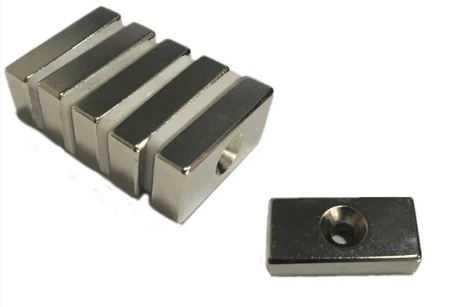
Permanent magnets are selected and arranged based on torque curve requirements rather than nominal power ratings. NdFeB magnets are commonly used due to their energy density, but grade selection is guided by operating temperature, expected demagnetization risk, and service lifetime.
Magnet placement options include:
- External surface mounting with mechanical constraint
- Semi-embedded layouts to balance flux concentration and mechanical safety
Protective coatings are applied to mitigate corrosion and environmental exposure, especially in outdoor or coastal wind installations.
Manufacturing and Quality Control Focus
For wind generator rotors, dimensional accuracy alone is not sufficient. Manufacturing control emphasizes:
- Radial runout consistency
- Dynamic balance at operating speed range
- Adhesive curing and magnet fixation integrity
Each rotor undergoes balance verification to reduce vibration transfer to bearings and generator housings, supporting longer service intervals in field installations.
Application-Driven Use Scenarios
This rotor configuration is typically specified for:
- Direct-drive wind generators without gear reduction
- Small to mid-scale wind turbines operating in variable wind zones
- Hybrid renewable systems requiring stable low-speed generation
Design engineers often integrate the rotor early in the generator layout stage to ensure mechanical and electromagnetic compatibility across the full system.
Customization and OEM Supply
We support OEM and project-based supply with customization options including:
- Rotor diameter and axial width
- Magnet grade, segmentation, and polarity pattern
- Structural material selection
- Surface protection and environmental adaptations
Prototype validation can be completed prior to volume production, allowing engineering teams to verify mechanical fit and electromagnetic behavior before committing to bulk orders.
Handling and Integration Considerations
Due to strong magnetic fields and component mass, controlled handling procedures are recommended during assembly. Proper alignment during installation is critical to maintaining uniform air-gap and predictable generator output.
Procurement Notes
To streamline quotation and development, providing the following information is recommended:
- Target operating speed range
- Required torque output
- Stator inner diameter and stack length
- Environmental exposure conditions
This information enables accurate magnet selection and structural design, reducing iteration cycles during development.

Hot Tags: super strong long block bar magnet n50, manufacturers, suppliers, factory, customized, 6x3 neodymium magnets, ndfeb price, neodymium rod, diametrically magnetized neodymium magnets, 5mm neodymium rare earth sphere ball magnets n35, neodymium magnet nearby